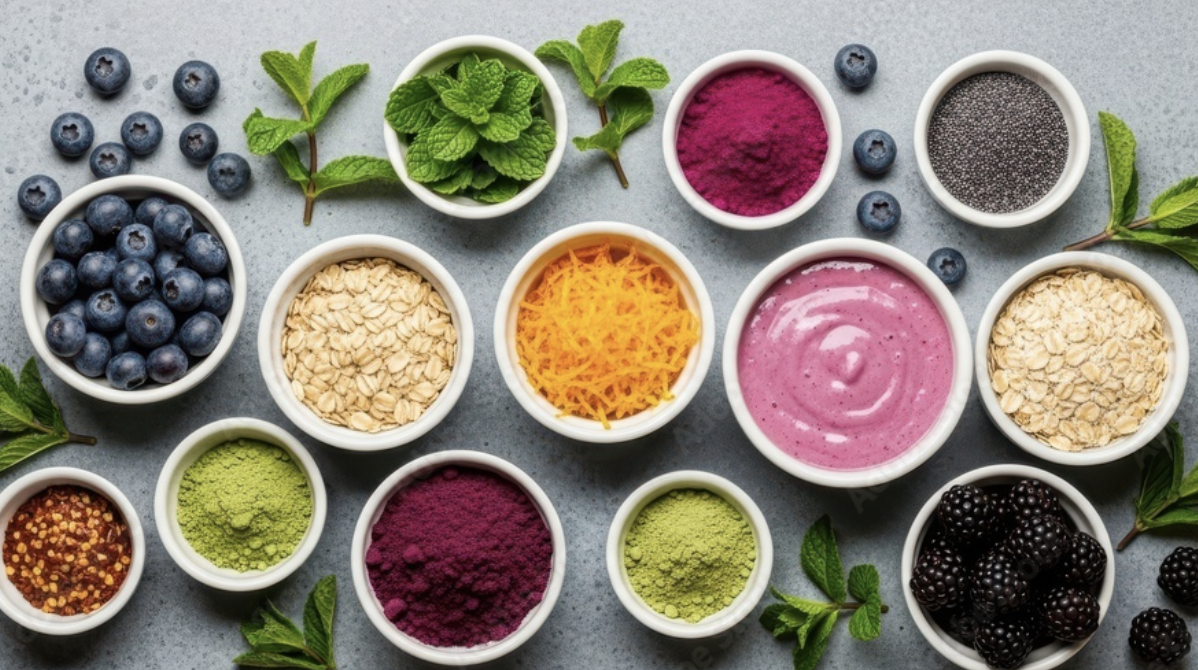
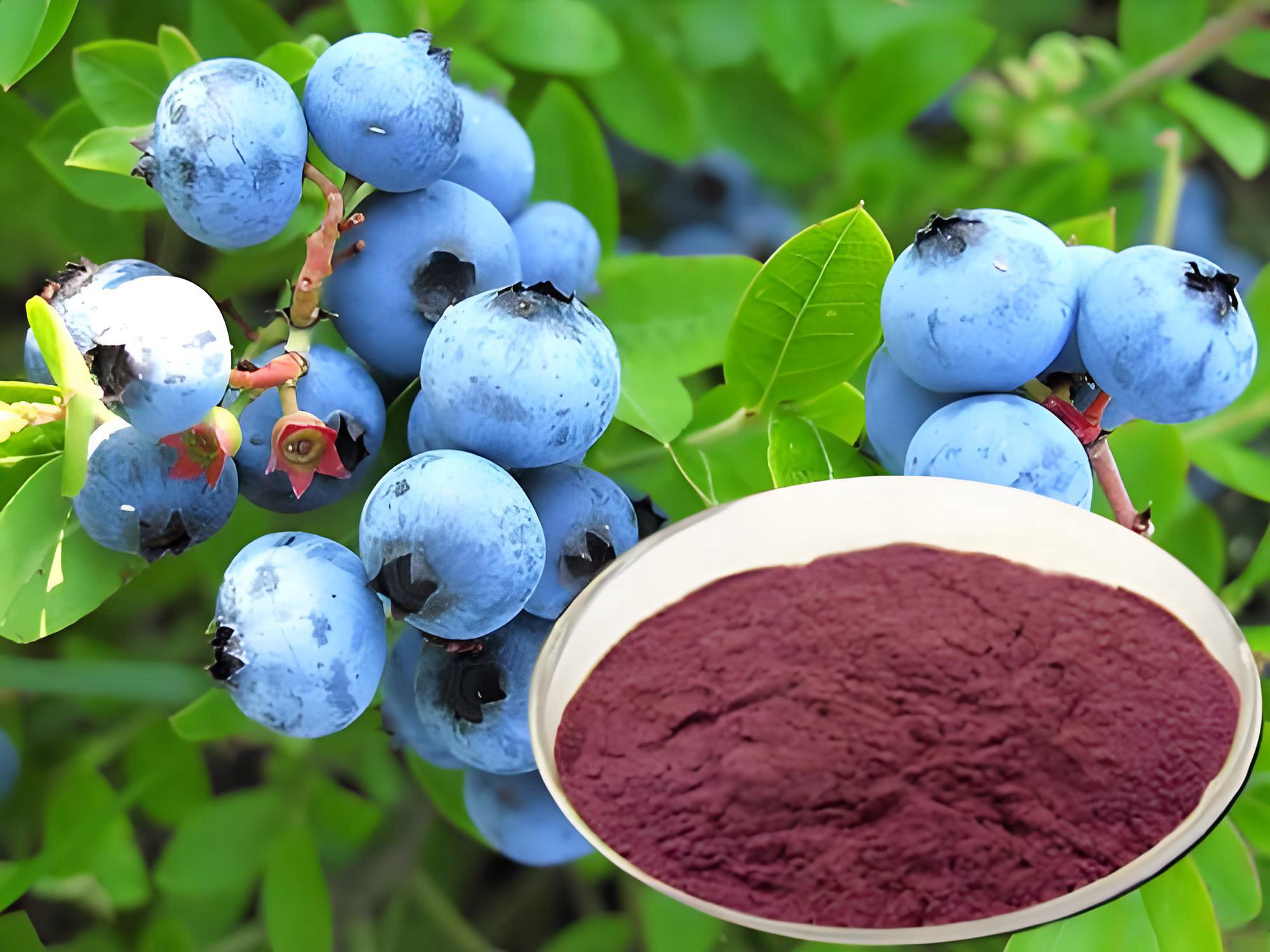
1. main ingredients
Based on the active components mentioned, grape powder largely changes cholesterol levels in three ways:
The combined effects of dietary fiber and plant sterols can directly diminish the rate at which cholesterol is absorbed from food.
Blocking the strong antioxidant effects of grape polyphenols in LDL oxidation can help lower the risk of LDL oxidation and stop the buildup of plaque in arteries.
The main reason grape products are often called "heart health" is that they improve general cardiovascular function.
Some studies suggest that polyphenolic compounds may assist improve blood lipid metabolism by raising high-density lipoprotein (HDL, or "good cholesterol"), which would improve the overall balance of blood lipids.
2.How to help the body regulate cholesterol
Grape powder is a food-grade raw material, not a drug, therefore it can be used by a lot of individuals, such as: people with high cholesterol (mild or moderate) who eat a lot of oily foods and have a lot of metabolic stress, as well as people who sit at their desks all day.
Natural antioxidant supplements are needed by middle-aged and older people who are at higher risk for heart disease. People with severe high blood pressure or who need to take statins should do so with their doctor's help.
3, Is eating grape powder better for controlling cholesterol
The following combinations can be used to make it work better as a regulator:
5 to 10 grams a day, split into two servings and eaten with high-fiber foods like probiotics, yogurt, oats, and so on. For better results, mix with milkshakes, yogurt, meal replacements, baked goods, and high-polyphenol fruit powders like blueberry powder and blackcurrant powder. Keep going for 4 to 8 weeks to start to notice improvements in your body.